

 See My Latest Article on HelloNation
Why Do Pet Checkups Matter for Post Falls Families?
A routine veterinary checkup is a cornerstone of lifelong pet health for households in Post Falls, ID. These visits are more than just an annual requirement; they allow veterinarians to detect early signs of illness, track development, and keep vaccinations and parasite prevention up to date. Local families often wonder exactly what happens during these visits and how to prepare their pets for a smooth experience, especially given the climate and lifestyle patterns in the area.
What Questions Will the Veterinarian Ask?
Typically, a veterinarian or veterinary technician will begin by gathering a detailed health history. Expect to answer questions about:
- Eating and drinking habits
- Bathroom routines
- Physical activity and exercise, relevant in Post Falls due to the seasonal changes and outdoor access
- Behavior changes or concerns—like anxiety during local winter storms or summer heat
- Any symptoms you may have noticed, such as coughing, itching, limping, sneezing, or appetite changes
Honest and specific answers help practitioners assess subtle changes in your pet's health. Bringing notes or a log of any concerns that happened between visits can be helpful, especially if your pet is aging, has pre-existing conditions, or spends considerable time outdoors.
What Happens During the Physical Examination?
After discussing your pet’s history, the veterinarian will perform a thorough physical exam. This is tailored to your pet’s age, breed, and specific needs, but most exams include:
- Weighing your pet—a key step to identify subtle weight fluctuations, which can signal underlying issues
- Checking body condition, muscle tone, and coat quality (often affected by seasonal shedding in the Post Falls climate)
- Examining eyes, ears, nose, and mouth for signs of infection, dental disease, or abnormalities
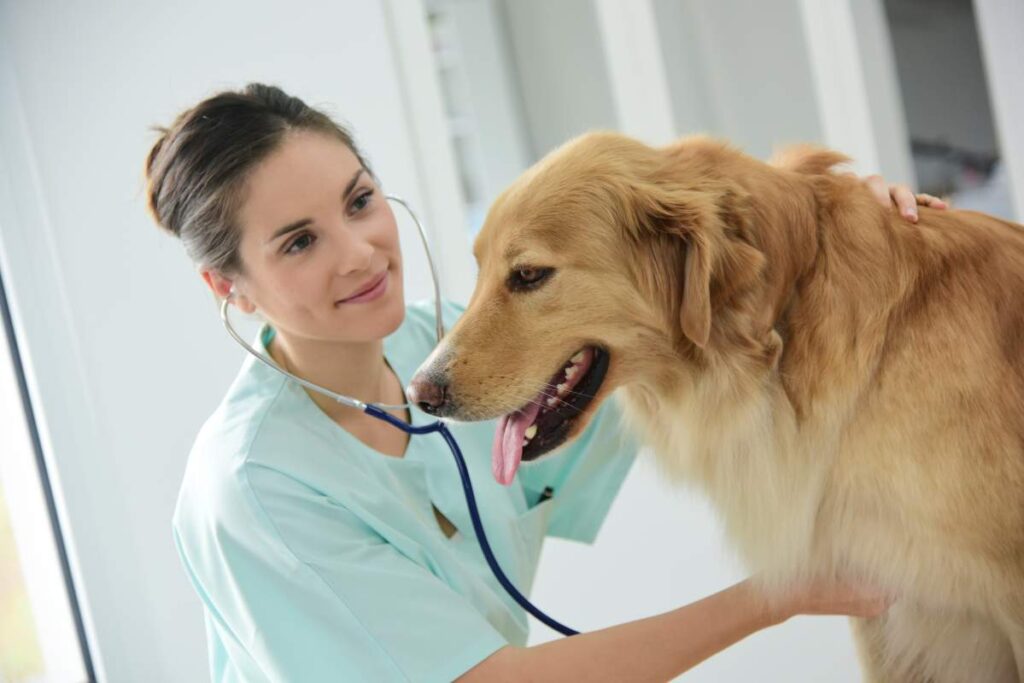
- Listening to the heart and lungs with a stethoscope to catch early signs of heart or respiratory problems, including those impacted by local allergens or air quality
- Palpating the abdomen to feel for organ size and any tenderness
- Joint and gait assessment, especially for older pets who may be impacted by slippery winter conditions or extra summer activity
For dogs or cats who spend significant time near the Spokane River or local wooded trails, practitioners may also check closely for ticks, burrs, or skin irritations.
Which Vaccines and Tests Should Post Falls Pets Receive?
Routine vaccines are usually discussed and administered as part of the visit, but not all pets need the same schedule. For dogs and cats in Post Falls, common considerations include:
- Core vaccines, such as rabies (which Idaho law requires for dogs)
- Distemper and parvovirus (for dogs) and panleukopenia (for cats)
- Non-core vaccines, like those for Bordetella or leptospirosis, may be offered based on your pet’s exposure to local wildlife, regular hiking, or boarding needs
Blood, urine, or fecal tests may also be suggested. Fecal exams are especially relevant for pets who spend time in local parks or wooded areas, helping identify intestinal parasites. Heartworm testing is generally not as common as in some southern regions, but it may still be advised, depending on your pet’s lifestyle and any recent travel.
How Should Pet Owners in Post Falls Prepare Before a Veterinary Checkup?
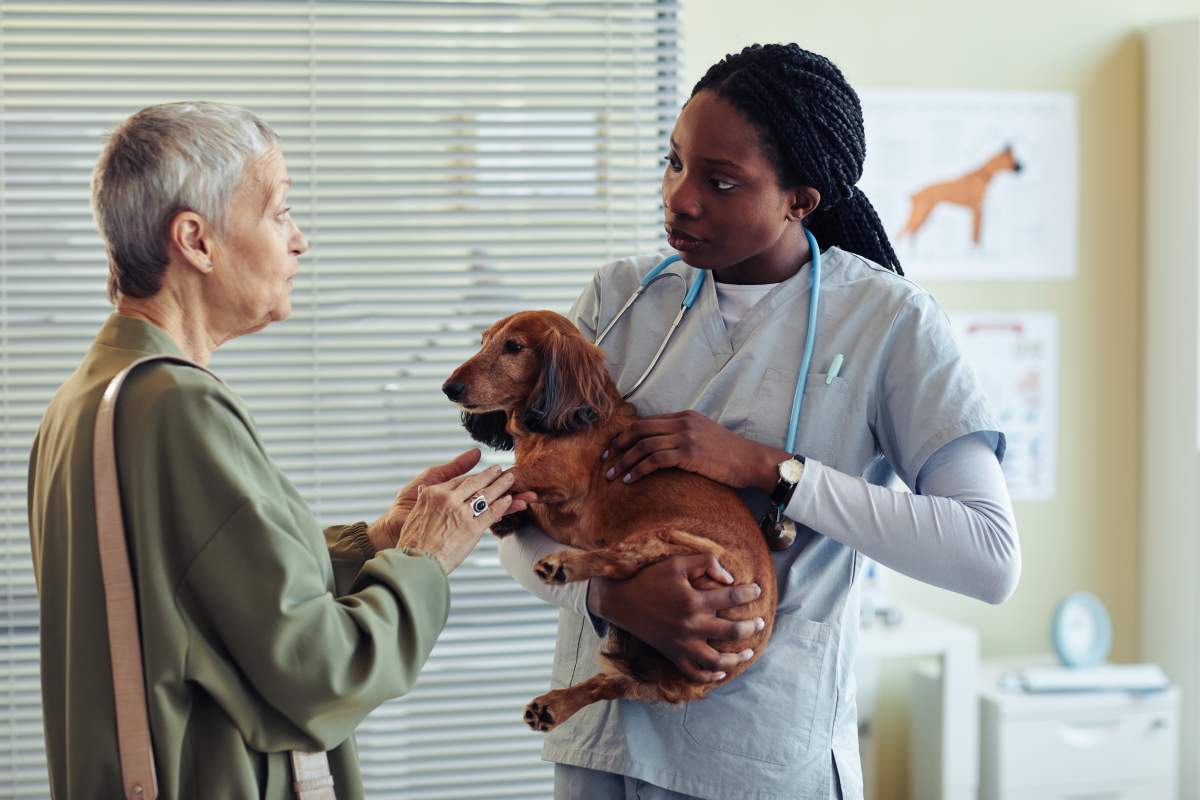
Bringing your pet to a veterinary clinic can cause stress, both for animals and their owners. Here are practical ways families in the city can prepare:
- Bring a fresh stool sample if requested—especially if your pet has played in communal outdoor spaces
- For cats, bring them in a secure carrier lined with familiar bedding
- For dogs, use a well-fitting collar or harness and leash (not retractable, as staff may need to help guide your pet)
- Bring any health records or vaccination documentation, especially if your pet was seen by a different provider or came to you from a shelter or breeder
- If your pet has any anxieties or unique behavioral needs (such as fear during thunderstorms), mention these to the staff as you check in
Allow a few extra minutes for wintertime travel to the clinic, since local weather can create delays.
What About Dental Health, Nutrition, and Weight Concerns?
Regular dental checks are part of every exam but are sometimes underestimated by pet owners. The veterinarian will look for tartar buildup, gum disease, or broken teeth. Dental problems can lead to pain, infection, and changes in eating habits. Local tap water quality is generally safe but discuss any concerns about home well water or mineral content with your practitioner since these can affect both drinking habits and dental health.
Weight management is another critical topic. Sedentary winter months or overfeeding during long indoor seasons are common concerns mentioned by local residents. Practical advice is usually tailored to your pet’s exercise options and lifestyle factors — whether your cat is strictly indoors or your dog routinely joins you on area trails.
Are Routine Checkups Different for Young, Adult, and Senior Pets?
The focus of each checkup will vary by age:
- Puppies and kittens: Expect frequent visits for initial vaccine series, deworming, and advice about healthy development.
- Adult pets: Annual exams help detect silent issues such as dental disease, lumps, and heart problems.
- Senior pets: More frequent checkups (sometimes twice a year) are common. Older pets may receive additional screenings for thyroid function, kidney and liver health, and arthritis, due to age and lifestyle. Slippery sidewalks and cold temperatures in Post Falls winters may worsen arthritis symptoms but can often be managed with supportive care and home modifications discussed during the visit.
What Are Common Misconceptions About Routine Veterinary Visits?
Some local households may believe that healthy-seeming pets don’t need routine checkups. However, many conditions like dental disease, heart murmurs, lumps, and kidney problems have no obvious early symptoms and can only be detected through a hands-on exam.
Another misconception is that indoor pets are safe from parasites or disease. Unfortunately, some parasites like fleas, mites, and certain intestinal worms are contracted from contaminated soil, shoes, or other pets—even without outdoor exposure. The area’s four seasons also bring a range of medical risks, from fleas in spring to cold-weather joint stiffness.
How Long Does a Routine Checkup Take and What Happens Next?
For most pets in the community, a routine checkup lasts 20–40 minutes. After examining your pet, the veterinarian will discuss findings, answer questions, and make recommendations about vaccines, diet, or follow-up tests if needed. Most visits end with gentle positive reinforcement for your pet, such as treats or affection, to help future visits go smoothly.
Following the checkup, staff may provide written information, vaccination certificates, and suggestions tailored to your household schedule, activity level, and any local environmental conditions affecting your pet’s health.