

 See My Latest Article on HelloNation
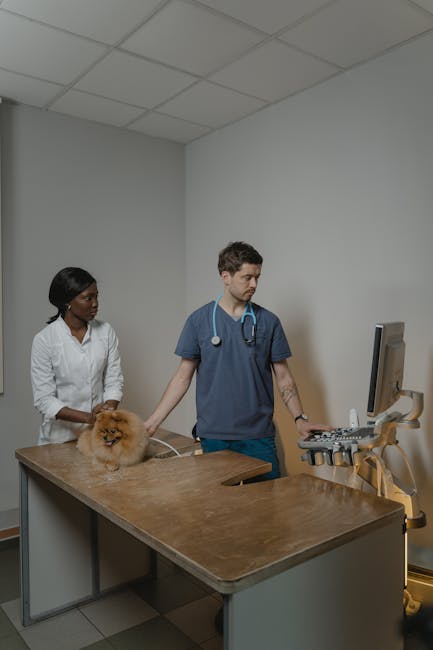
Living in the beautiful city of Post Falls, Idaho, we’re lucky to enjoy an active lifestyle with our canine companions, from hiking the Centennial Trail to splashing along the Spokane River or simply relaxing in our spacious backyards. As responsible pet owners, we want our dogs to thrive in every season. However, dogs are masters at hiding discomfort, making it tricky to determine when something might be wrong. Understanding how to tell if your dog is in pain is essential to keeping them as happy and healthy as possible.
Why Dogs Hide Their Pain
Dogs evolved to mask signs of pain. In the wild, appearing weak can make an animal vulnerable to predators. Even today’s family pets, whether they’re lounging at Q’emiln Park or romping along Rathdrum Creek, often do their best to hide discomfort. That’s why it’s up to us, as pet parents, to spot subtle changes in their behavior.
Common Causes of Pain in Dogs in Post Falls
With our active North Idaho lifestyle, local dogs may experience:
- Sprains and strains from hiking or running on rocky terrain
- Arthritis, especially in senior dogs during cold winters
- Lacerations or paw injuries from sharp rocks or sticks
- Allergic reactions from seasonal plants or insect bites
No matter the cause, recognizing pain early leads to faster relief and less suffering.
Physical Signs Your Dog May Be In Pain
Look for these classic physical indicators of pain:
- Limping or favoring a limb: Dogs with sore legs often avoid putting weight on the affected side.
- Stiffness, especially after rest: Noticing stiffness on colder Post Falls mornings may indicate joint pain or arthritis.
- Changes in posture: A hunched back or reluctance to sit can signal abdominal or back pain.
- Excessive licking or chewing at a specific spot: Dogs instinctively try to soothe painful areas.
- Panting, trembling, or shaking: Unexplained rapid breathing or tremors can be a pain response, even if the weather isn’t hot.
- Difficulty moving, standing, or lying down: Reluctance to jump into the car for a trip to Black Bay Park might signal discomfort.
Behavioral Clues to Watch For
Changes in behavior often reveal what a dog can’t say:
- Decreased activity or lack of enthusiasm: If your always-energetic friend isn’t excited for their daily walk along the Spokane River, pay attention.
- Avoiding stairs or jumping: Hesitating before climbing onto furniture or entering the car can suggest joint or back pain.
- Growling, snapping, or sudden aggression: Even the gentlest dogs might act out when touched in a painful spot.
- Vocalizing more than usual: Whining, whimpering, or yelping when handled are clear signals.
- Restlessness, pacing, or trouble getting comfortable: Dogs in pain may struggle to settle down or frequently change positions.
- Changes in appetite or drinking habits: Loss of interest in food, despite being healthy in the past, can accompany pain.
Subtle Indications Often Overlooked
Pain in dogs isn’t always obvious, so don’t overlook these:
- Changes in facial expression: Squinting, droopy eyes, flattened ears, or tense jaws.
- Withdrawing from family activities: Preferring to be alone when previously social.
- Changes in breathing: Faster or more shallow breaths when resting.
- Reduced grooming or self-care: A normally tidy dog may let their coat become matted.
How to Perform a Pain Assessment at Home
- Watch your dog’s movement: Try to observe them on walks around your neighborhood or favorite Post Falls trail. Note any limping, dragging toes, or reluctance to walk as they once did.
- Gently palpate: Run your hands along their back, legs, and belly. Note any flinching, tensing, or attempts to pull away.
- Test response to favorite activities: If your retriever normally brings you a ball but isn’t interested, or your terrier refuses to jump in the car for a ride to the dog park, consider it a warning sign.
When Should You Call Your Post Falls Veterinarian?
If you notice any of the signs listed above persisting for more than 24 hours, or if your dog seems severely distressed, it’s time to see your local vet. Immediate veterinary care is needed if your dog:
- Cannot get up or walk at all
- Has severe swelling or an obvious injury
- Experiences difficulty breathing
- Cries out, bites, or snaps unexpectedly at gentle touch
- Shows signs of pain accompanied by vomiting, diarrhea, or a swollen abdomen
Veterinarians in Post Falls are experienced with a variety of pet injuries and illnesses, and prompt evaluation can prevent a minor issue from becoming a major health problem.
Tips for Preventing Pain and Injury in Post Falls Dogs
- Keep your dog’s nails trimmed to prevent painful splits or overgrowth during outdoor adventures.
- Check paws regularly for cuts or debris after hikes near the Spokane River or Tubbs Hill.
- Maintain a healthy weight, as extra pounds strain the joints, especially in winter.
- Avoid letting your dog jump from high places, such as the back of a truck or SUV.
- Schedule annual wellness exams with your Post Falls veterinarian to catch subtle issues early.
Final Thoughts: Your Vigilance Makes a Difference
Living in an active, pet-friendly place like Post Falls means our dogs are family—and they rely on us to keep them comfortable, active, and pain-free. By learning to recognize the signs of pain and responding quickly, you’ll help ensure your dog enjoys every season this beautiful area has to offer.
If you have any concerns that your dog may be hurting, don’t wait—reach out to your trusted Post Falls veterinarian for advice and assessment. Your quick action could make all the difference in your pup’s quality of life.