
 See My Latest Article on HelloNation
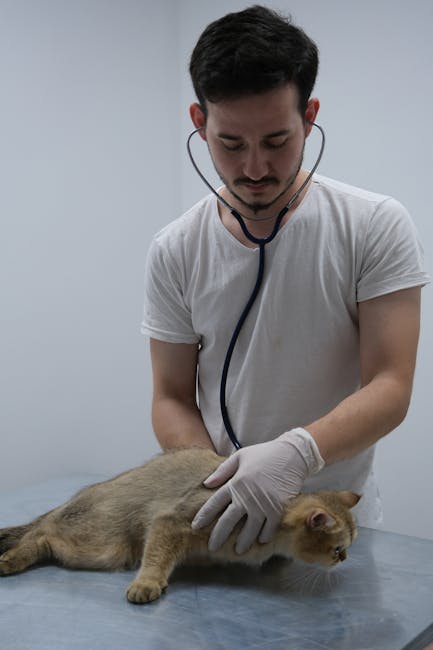
When your pet needs medication, ensuring they get the correct dose in the right way can be challenging. Here in Post Falls, ID, where pets are part of the family and often accompany us on outdoor adventures or enjoy a cozy evening indoors, it’s especially important to keep them healthy and stress-free during treatment. Whether your veterinarian prescribed pills, liquids, or topical medications, following best practices can make the experience easier for both you and your furry friend.
Understanding Why Medication Matters
Pets, just like people, get sick or may need ongoing medication for chronic conditions. Administering medicine properly ensures their speedy recovery and prevents relapses or resistance. With the changing seasons in North Idaho—wet springs, dry summers, and cold winters—your pet’s needs may vary, sometimes requiring preventative care or rapid response to new symptoms.
Tips for Giving Oral Medications
Oral meds, such as tablets or capsules, are the most common but can be tricky. Here’s how Post Falls pet owners can make the process smoother:
- Hide pills in favorite treats: Many dogs and cats can be tricked with their favorite local meats or fish—try chicken, cheese, or commercial pill pockets.
- Use the “pilling” technique: If hiding the pill fails, gently open your pet’s mouth, place the pill at the back of the tongue, and quickly close their mouth. Hold the mouth closed and gently stroke the throat to encourage swallowing.
- Check for success: Always watch to ensure the pill is swallowed—not spit out when you’re not looking.
- Ask about flavored options: Some regional pharmacies in Kootenai County can compound medications with pet-friendly flavors like salmon or beef.
Giving Liquid Medications
Liquid medications can be easier for finicky pets but require care:
- Use a syringe or dropper: Gently insert the syringe at the side of your pet’s mouth, just behind the canine teeth, and squirt the liquid slowly so your pet can swallow easily.
- Reward afterward: Positive reinforcement, especially after a walk by the river or around your Post Falls neighborhood, helps your pet associate medication with rewards.
- Don’t mix with food unless approved: Some liquids lose effectiveness if mixed with food. Check with your veterinarian first.
Applying Topical Medications
In an outdoor-centric community like Post Falls, pets may encounter wounds, ticks, or skin allergies. Topical meds are important for these conditions:
- Part the fur: For spot-on treatments, part the hair to ensure medication gets directly onto the skin.
- Prevent licking: Distract your pet for several minutes or use an e-collar to prevent licking until the medication dries.
- Wash hands: Always wash your hands after application to avoid accidentally medicating yourself, and keep kids away until the area dries.
Tips for Medication Success
Medication routines can be tough, especially for busy families balancing work, school, and outdoor fun. Here are some helpful strategies for North Idaho pet households:
- Set reminders: Use phone alarms or apps to stay consistent with medication schedules.
- Stay organized: Keep a medication log and bring it to your local Post Falls vet appointments.
- Ask for demonstrations: If unsure, request an in-clinic demo or a video tutorial for medications with unique administration methods.
- Involve the family: Teach all caregivers the proper way to medicate the pet—teamwork helps, especially with large breeds or nervous animals.
When to Call Your Veterinarian
Despite your best efforts, sometimes pets refuse medication, vomit it up, or show adverse reactions. Contact your Post Falls veterinarian if you notice any of the following:
- Vomiting, diarrhea, or refusal to eat
- Swelling, redness, or rashes at application sites
- Trouble breathing, lethargy, or other new symptoms
- Missed doses or accidental overdoses
Never attempt to double a missed dose without veterinary guidance, as some meds can quickly become dangerous.
Medicine and Outdoor Life in Post Falls
Our active community brings special considerations. If your dog hikes Tubbs Hill or splashes in the Spokane River, ask your veterinarian if their medication is affected by water, sun, or dirt. For farm or ranch animals, handling tips may differ, and close communication with your vet is key.
Always bring your pet’s medication on trips—Post Falls weather can change quickly, and being prepared ensures your pet’s health wherever you roam.
Final Thoughts
Administering medication at home shouldn’t create stress for your pet or your household. With a little preparation, practice, and patience, you’ll master the routine and keep your animal companions healthy and happy. Your local Post Falls veterinary team is always ready to answer questions and support you—even when medications are tough.
Keep these best practices in mind the next time your pet needs care, and enjoy all the adventures North Idaho has to offer with your healthy, well-cared-for friend.