

 See My Latest Article on HelloNation
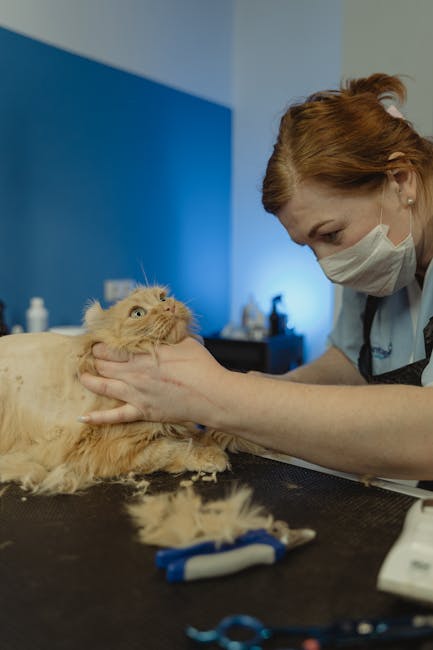
Caring for a cat involves more than a cozy bed and a bowl of food. As a beloved part of our family in Post Falls, our cats depend on us to recognize when they're not feeling their best. The beauty of our region—with its outdoor adventures, changing seasons, and busy households—means our feline companions are exposed to unique situations that can affect their health. Recognizing common signs of illness in cats early can make all the difference for their long-term wellbeing.
Why It’s Important to Monitor Your Cat’s Health
Cats are masters at hiding discomfort, a trait inherited from their wild ancestors. While this skill helped them avoid predators, it often makes it harder for pet owners in Post Falls and beyond to spot illness in its early stages. By learning the signs, you’ll know when it’s time to make an appointment with your veterinarian.
Common Signs Your Cat May Be Sick
Cats can exhibit a range of signs when they are unwell. Below are several of the most common indicators to watch for:
1. Changes in Appetite or Thirst
- Eating considerably less or refusing food altogether can signal dental disease, infections, kidney issues, or other underlying health problems.
- Increased thirst might be linked to diabetes or kidney disease, both of which require prompt veterinary attention.
- In a place like Post Falls, where cats may spend time outdoors, drinking from unusual water sources is another clue that something may be off.
2. Sudden Weight Loss or Gain
- Noticeable weight loss, especially over a short period, is always a red flag.
- Unexplained weight gain paired with lethargy could indicate hormonal imbalances or less activity during Idaho’s colder months.
3. Vomiting or Diarrhea
- Occasional hairballs are normal, but persistent vomiting or diarrhea is not.
- Outdoor cats here may ingest unusual plants or prey, which can trigger digestive upset or more serious toxic reactions.
4. Changes in Behavior or Activity
- Hiding more than usual, aggression, or hesitation to jump or run could point to pain, injury, or illness.
- Transitioning seasons or household changes in Post Falls sometimes trigger temporary anxieties, but persistent changes in activity should not be ignored.
5. Poor Grooming or Changes in Coat Condition
- A matted, greasy, or unkempt coat can be an early sign of arthritis, obesity, or skin problems.
- Local allergens and dry air in Northern Idaho may also contribute to skin discomfort, but a healthy cat will generally maintain a smooth, shiny coat.
6. Respiratory Issues
- Coughing, sneezing, nasal discharge, or noisy breathing are not normal and could indicate upper respiratory infections—common in cats socializing with others at boarding facilities or during community events in Post Falls.
- Difficulty breathing is a veterinary emergency.
7. Changes in Litter Box Habits
- Straining to urinate, increased frequency, or avoiding the litter box can mean urinary tract infections or stress-related illnesses.
- Outdoor cats who suddenly start having accidents indoors may be struggling with medical issues or environmental stressors.
8. Unpleasant Odors
- Unusual odors from your cat’s mouth, ears, or body can indicate dental disease, infections, or skin wounds—especially relevant if your cat spends time exploring the North Idaho wilderness.
When Should You Call Your Post Falls Veterinarian?
While it’s important to monitor your cat at home, there are circumstances where contacting your local veterinarian is critical:
- Persistent vomiting or diarrhea lasting over 24 hours
- Blood in urine, stool, or vomit
- Difficulty breathing or unresponsive behavior
- Not eating or drinking for more than 24 hours
- Noticeable pain, lameness, or inability to use limbs
Your Post Falls veterinarian can perform diagnostics that are tailored to local disease patterns—such as feline viral infections, parasites common to our region, and seasonal hazards—that might affect the health and comfort of your feline friend.
Tips for Keeping Your Cat Healthy in Post Falls
With our region’s variable weather and abundance of outdoor spaces, here are a few preventive tips for local cat owners:
- Keep your cat up to date on vaccinations, particularly if they roam outdoors.
- Regularly inspect your cat for ticks and other parasites, especially after outdoor adventures.
- Make sure your cat has access to fresh, clean water to avoid illnesses from contaminated sources.
- Schedule regular wellness checks with your local Vet to keep track of body weight, dental health, and overall well-being.
Life in Post Falls: Special Considerations
Post Falls is known for its active, nature-loving residents, many of whom enjoy hiking, gardening, and outdoor recreation with their pets. Keep in mind:
- Outdoor cats may be exposed to unique hazards such as wildlife, pesticides, and rapidly changing weather conditions.
- Indoor cats might experience boredom during long winters, which can affect their mental and physical health—making enrichment and regular health checks important.
Conclusion
A cat’s subtle clues are often the only warning signs we get when something isn’t right. By paying close attention to changes in eating, grooming, behavior, and litter box habits, cat owners in Post Falls can support their companions’ health and happiness for years to come. If you ever have concerns, don’t hesitate to reach out to your trusted local veterinarian. Remember, early intervention is the best way to keep your cat healthy and active, no matter the season or adventure life in North Idaho brings.