
 See My Latest Article on HelloNation

Why Is Regular Tooth Brushing Important for Dogs?
Regular brushing helps prevent plaque buildup, bad breath, gum disease, and more serious dental conditions. Most dental problems in dogs develop quietly and can cause discomfort long before visible symptoms appear. In Post Falls, dental care is important for dogs of all ages since dietary patterns and weather changes can affect oral health. Snowy winters often mean dogs spend more time indoors and snack on processed treats, which can stick to teeth.
How Often Should Residents Brush Their Dog’s Teeth?
Ideally, brushing should happen daily—but even two to three times a week dramatically reduces the risk of dental disease. Schedules can get busy in Post Falls households, especially with outdoor activities in spring and summer. Setting a routine, such as brushing after a morning walk or before family dinner, can make the habit stick.
What Supplies Are Needed for Home Brushing?
Start with dog-specific toothpaste—never use toothpaste made for people, as these products can contain ingredients that are harmful if swallowed. Use a dog toothbrush, which usually has softer bristles and is angled for easy reach. Finger brushes are helpful for smaller dogs or beginners.
Recommended items:
- Dog-safe toothpaste (typically poultry or peanut butter flavor)
- Dog toothbrush or finger brush
- Clean towel for gentle restraint if needed
- Treats for reward
Tap water in Post Falls is generally safe for rinsing the brush between uses, but avoid giving your dog any mouth rinses not specifically labeled for canine use.
How Do You Get Your Dog Comfortable With Brushing?
Start by letting your dog sniff and lick the toothbrush and toothpaste. Begin at a quiet time of day, using a calm voice and positive reinforcement. For the first few sessions, simply touch your dog’s mouth and lift the lips. Offer a treat afterward. Progress to rubbing your finger along the gum line, then to the brush itself.
Dogs in the Post Falls area often spend more time outdoors, which can make them both energetic and distracted in the evenings. For best results, choose a calm setting and minimize background noise. Go slowly—especially for adult dogs not used to having their mouths handled.
Common mistakes:
- Moving too quickly through the introduction process
- Using too much force
- Skipping rewards or positive reinforcement
What’s the Step-by-Step Process for Brushing?
1. Gently lift your dog’s upper lip to expose the teeth.
2. Apply a small dab of dog toothpaste to the brush.
3. Brush in small circles, focusing on the outer surfaces of the teeth.
4. Work from back to front, spending about 30 seconds per side.
5. Don’t worry about brushing the inner (tongue) surfaces at first.
6. Offer plenty of praise and a treat at the end.
Local dogs who regularly chew on sticks or play with toys in backyards may have easier buildup removal on certain teeth. Still, thorough brushing is needed to cover difficult back areas. If you spot bleeding, swelling, or cracked teeth, pause and check if more gentle handling is needed, or if the problem might require veterinary attention.
What Should You Watch For While Brushing?
During brushing, look for:
- Red or bleeding gums
- Swollen areas or lumps
- Bad breath that doesn’t improve with brushing
- Broken or discolored teeth
Seasonal shifts in Post Falls, such as the start of lawn treatments or the use of road de-icers in winter, may mean additional foreign substances end up on your dog's paws and teeth. Ensuring you check the mouth regularly may help catch irritants early.
What If Your Dog Resists Brushing?
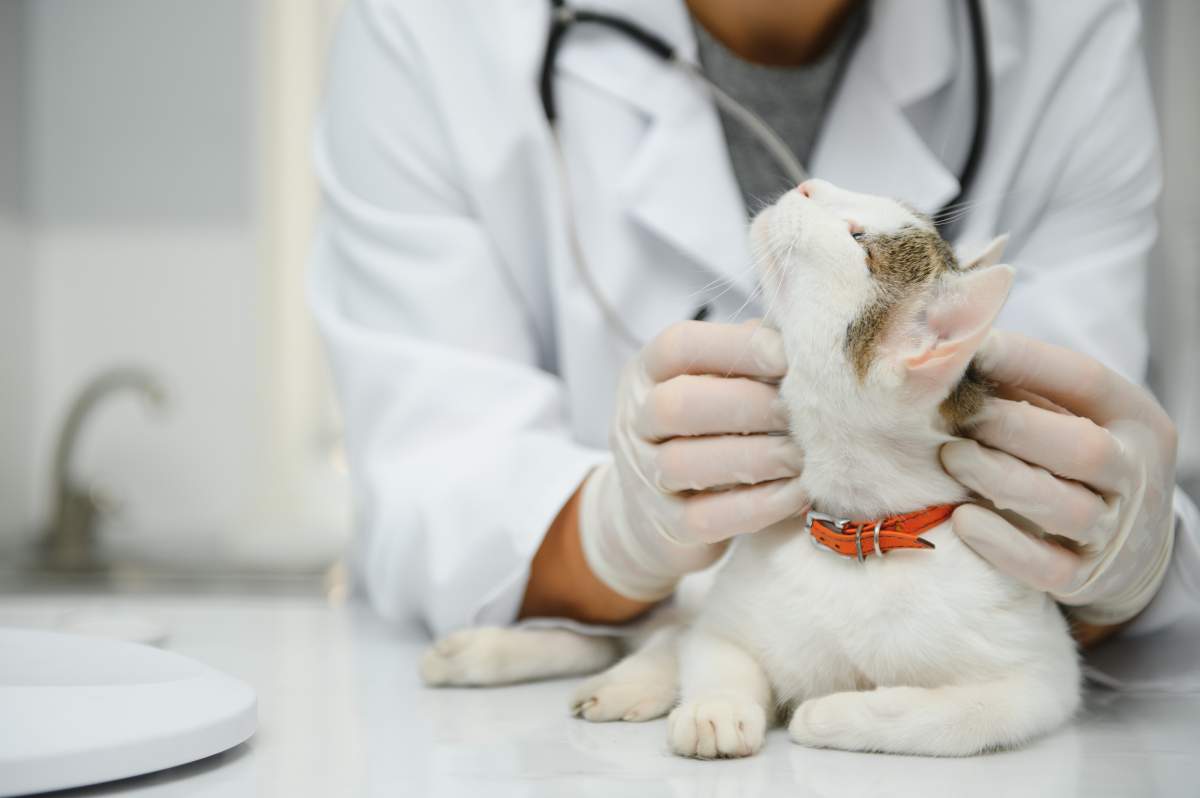
Some dogs in the city may not tolerate daily brushing due to anxiety, previous negative experiences, or medical issues. If your dog pulls away, pants heavily, or tries to bite, stop and return to the slow introduction steps. Sometimes, using a finger brush or wrapping gauze around your finger is less intimidating.
For particularly nervous pets, try brushing after gentle exercise when your dog is more relaxed. Offering a favorite chew toy after brushing can help create a positive routine. Over time, patience typically leads to better cooperation.
Are There Alternatives or Supports for Home Dental Care?
While brushing is the gold standard for home dental care, it’s not the only measure available. Supplementary options include:
- Dental chews approved for removing plaque and tartar
- Toys designed to clean teeth through chewing
- Dog-safe water additives for oral health
Local households in Post Falls often use a combination approach, especially for dogs that spend extended hours in the yard, as natural chewing sometimes helps keep teeth clean. However, these alternatives should not fully replace brushing.
When Should You Seek Veterinary Dental Advice?
Occasionally, home care alone isn’t enough. Signs such as persistent bad breath, visible tartar that doesn’t brush off, drooling, or decreased appetite can indicate a need for veterinary evaluation. Puppies, senior dogs, or those with chronic health conditions may also benefit from professional guidance.
Consulting a veterinarian becomes most critical if you observe:
- Broken or loose teeth
- Significant gum recession
- Reluctance to eat
- Unusual behaviors involving the mouth
Local veterinarians are accustomed to seeing dental issues that align with the lifestyle and outdoor access common to the area, and can recommend care guidelines specific to your pet’s needs.
Practical Tips to Build a Lasting Routine
Set reminders on your phone or calendar, just as you would for other pet care tasks. Store dental supplies in a consistent spot that’s easy to access, such as near the dog’s food storage. Consider involving family members—children can help reward your dog or hand over treats.
In the variable climate of Post Falls, snow and mud sometimes mean indoor play is preferred. Use downtime inside as an opportunity for dental care practice. Patience, consistency, and a positive approach are key to maintaining good dental hygiene for dogs across all seasons in the community.