

 See My Latest Article on HelloNation
Why Do Dogs and Cats Need Vaccines?
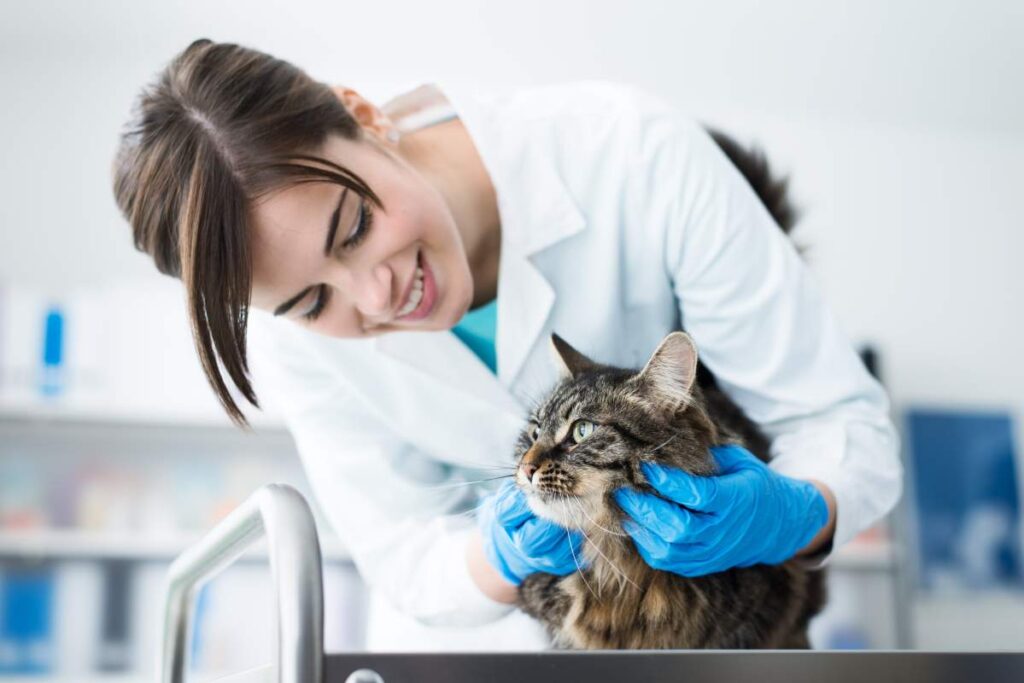
Vaccines help protect dogs and cats from potentially serious—and sometimes fatal—diseases. In Post Falls, ID, household pets are at risk from contagious illnesses that can spread through contact with other animals, wildlife, or the environment. Preventing disease not only safeguards your pet’s health but also helps limit outbreaks in the community and, in some cases, protects humans from diseases shared between pets and people (zoonotic diseases).
Core vaccines are recommended for nearly all pets because they defend against diseases prevalent in the area or those that pose the highest risk. Non-core vaccines are given based on an individual animal’s lifestyle, environment, and risk of exposure.
What Are Core Vaccines for Dogs and Cats in Post Falls, ID?
Core vaccines are considered essential for maintaining health and for meeting local legal requirements.
For dogs in this community, core vaccines generally include:
- Rabies (required by law in Idaho)
- Distemper
- Parvovirus
- Adenovirus (Hepatitis)
For cats, core vaccines often include:
- Rabies (legally required)
- Feline viral rhinotracheitis (herpesvirus)
- Calicivirus
- Panleukopenia
These vaccines protect against diseases that are common in the region or that have severe health impacts. For example, the rabies vaccine is mandated in Post Falls because rabies can be transmitted to humans and is always fatal once symptoms appear.
At What Age Should Vaccinations Begin?
Puppies and kittens in Post Falls typically begin their core vaccination series at 6–8 weeks old. Young animals receive some immune protection from their mother, but this fades quickly.
Initial vaccination schedules often look like this:
- Puppies: First vaccines at 6–8 weeks, with boosters every 3–4 weeks until around 16 weeks old.
- Kittens: Similar schedule with vaccinations starting at 6–8 weeks, boosting every 3–4 weeks until about 16 weeks.
Rabies vaccination is most often given at 12 to 16 weeks, but always following state and local guidance.
How Often Do Adult Pets Need Booster Shots?
Immunity from the initial vaccine series doesn’t last forever. Boosters are essential to maintain protection, especially for core vaccines.
For dogs and cats in the area:
- Rabies boosters are typically required every 1 or 3 years, depending on vaccine type and local regulations.
- Distemper, parvo, adenovirus (dogs), and FVRCP (cats) are often boosted one year after the final puppy or kitten dose, then every 1 to 3 years, depending on risk and the specific vaccine.
Indoor-only cats and mostly home-bound dogs still require core vaccines but may follow slightly different booster intervals. Community pets who visit dog parks, kennels, or groomers often need boosters at the most protective intervals.
Are There Optional (Non-Core) Vaccines Recommended in Post Falls?
Non-core vaccines are not required for all pets, but may be advised based on an animal’s risk encounters. Common examples for local pets:
- Dogs: Bordetella (kennel cough), Leptospirosis, Lyme disease, canine influenza
- Cats: Feline leukemia virus (FeLV), if they go outdoors or live with an FeLV-positive cat
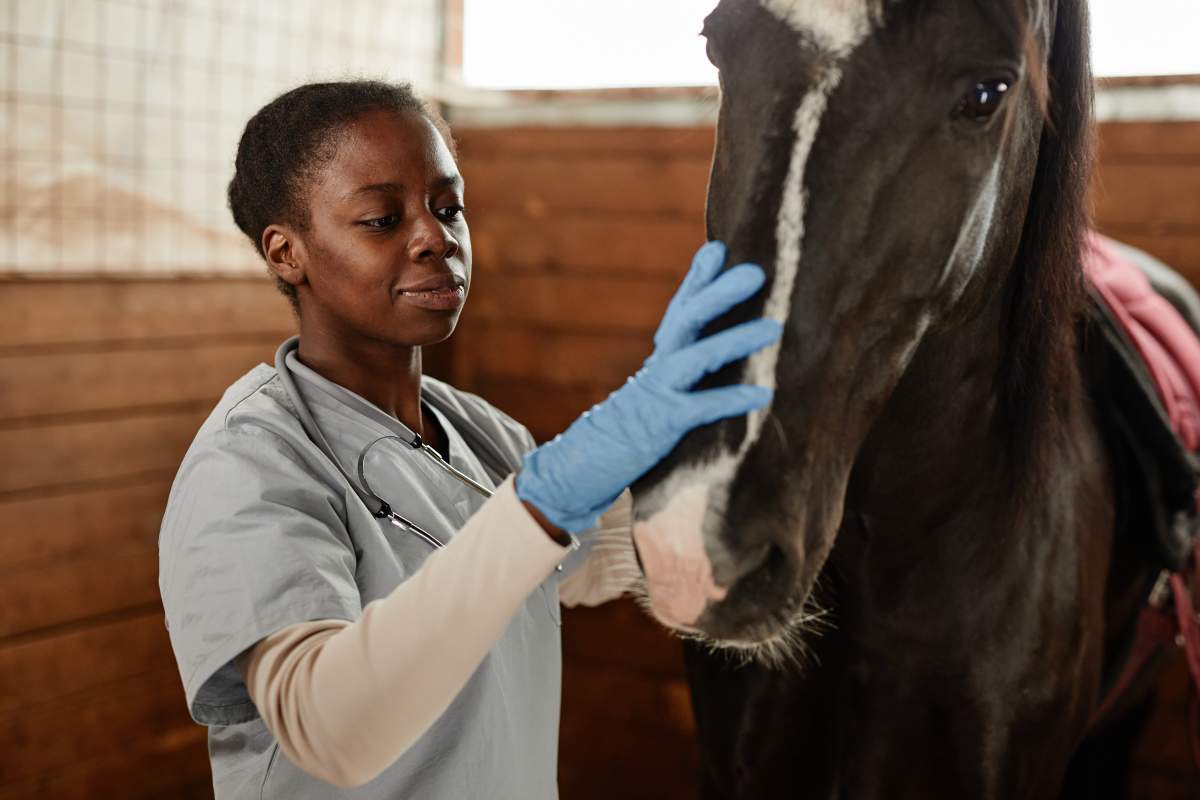
In this part of Idaho, Leptospirosis and Bordetella are considered for dogs frequently exposed to other animals, especially at boarding, daycare, or dog parks. Feline leukemia vaccination is advised for kittens and for older cats with any outdoor access.
Can Vaccination Schedules Be Adjusted for Older or At-Risk Pets?
Adult and senior pets, or those with chronic conditions, may have vaccination tailored to their health. Adjusted schedules can include spacing out booster intervals or omitting certain non-core vaccines if the risks outweigh the benefits. For example, an elderly indoor cat might only receive the essential rabies and FVRCP boosters.
Always provide an accurate health history so vaccination plans reflect each pet’s needs, especially in Post Falls where wildlife and local pet populations can introduce evolving disease risks.
What Are Common Misconceptions About Pet Vaccines?
Understanding what vaccines can and cannot do helps set realistic expectations:
- Vaccines protect against specific diseases. They do not prevent all illness.
- Mild side effects—like fatigue or soreness—are normal and short-lived. Severe reactions are very rare.
- Booster reminders are not just suggestions. Immunity fades and boosters are crucial for ongoing protection.
- Indoor pets still need certain vaccines. Wildlife can enter homes or yards, and some diseases are easily transmitted through air or contaminated surfaces.
Misinformation sometimes leads people to believe that vaccines are unnecessary or unsafe. In reality, modern veterinary vaccines in the region are carefully regulated and the benefits overwhelmingly outweigh the small risks.
How Does the Local Climate and Lifestyle Affect Vaccine Needs?
Local factors play a role in disease risk and vaccine decisions. In Post Falls, colder winters and moderate summers may reduce, but do not eliminate, the risk of some diseases. Wildlife such as raccoons, bats, and foxes can carry rabies, even during cold months, while increased outdoor activities in spring and summer can heighten the risk of exposure to other infectious agents.
Pets living on acreage or visiting regional parks are at higher risk for encounters with wild animals or contaminated water sources. Households with frequent travel, foster animals, or multiple pets under one roof might also need more comprehensive vaccine protection.
What Records Should Local Pet Owners Keep?
Keep a record of all vaccinations, including dates and the type of vaccine given. This documentation helps track when boosters are due and is often required for licensing or boarding. Paper records are standard, but digital copies are increasingly useful for quick access during emergencies or veterinary visits.
For Post Falls residents, proof of rabies vaccination is needed for licensing your dog with local authorities.
Where to Find Reliable Vaccine Information
Official sources—such as municipal animal control guidelines or publications from veterinary institutions—offer the best information. Locally relevant updates on disease outbreaks or regulatory changes are sometimes published by public health or animal control entities in the city. Being informed about these updates ensures area pets remain protected throughout their lives.