

 See My Latest Article on HelloNation
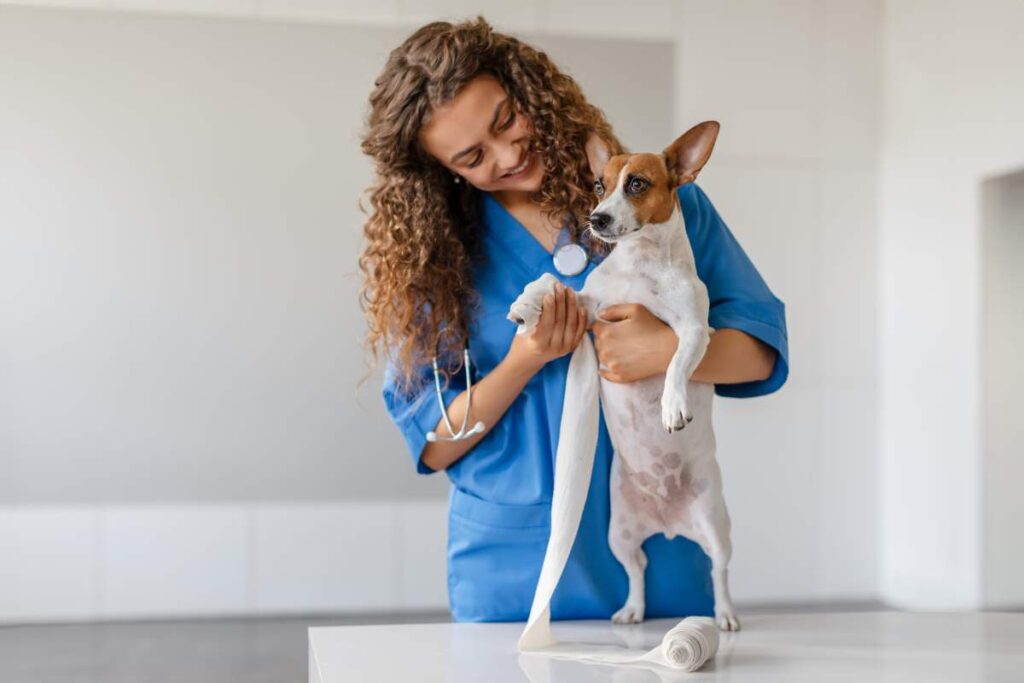
Why Should You Keep a Pet First Aid Kit at Home?
A pet first aid kit offers immediate support in case of accidents, minor wounds, or sudden illness until professional care is available. In Post Falls, ID, where outdoor activities and variable weather are common, pets can experience everything from cuts on wooded trails to heat stress in the summer. Having supplies on hand makes it easier for local households to address emergencies quickly, especially given the region’s varying distances to veterinary clinics depending on neighborhood or weather conditions.
What Core Items Belong in a Pet First Aid Kit?
The fundamental purpose of a pet first aid kit is to manage minor injuries, prevent infections, and stabilize your pet until veterinary assistance can be accessed. The following items are considered basics:
- Non-stick bandages, gauze rolls, and adhesive tape: For wound wrapping
- Antiseptic wipes and saline solution: For cleaning wounds without further irritation
- Blunt-ended scissors and tweezers: For cutting tape or removing ticks and splinters
- Digital thermometer (specific for pets): For monitoring fever or hypothermia
- Disposable gloves: To maintain hygiene when handling wounds
- Instant cold packs: Useful for sprains or heat stress—especially after summer hiking
- Styptic powder or pencil: To stop minor bleeding, such as from nail trims gone wrong
- Muzzle or soft towel: To prevent biting if your pet is in pain
- Pet-safe antibiotic ointment (check labels for suitability)
- Square towels or absorbent pads: For pressure or keeping a pet warm
- Small flashlight: For night emergencies or checking wounds in poor lighting
Most items can be found at pharmacies, grocery stores, or pet supply aisles. It’s essential to store them in a sturdy, clearly labeled container and make sure every household member knows where it is.
What Medications Are Suitable for a Pet First Aid Kit?
Only a few over-the-counter medications are safe to include, and only with your veterinarian’s guidance. Never substitute medications meant for people, as pets can react differently or experience unsafe side effects.
Examples of appropriate reserves (after confirming dosage and safety):
- Mild antihistamines for allergic reactions (like diphenhydramine, plain/unflavored)
- Sugar packets or honey pouches for dogs prone to hypoglycemia
- Electrolyte powder for rehydration (check with your veterinary clinic on brands/types)
Never include ibuprofen, acetaminophen, or human pain relievers, as they can be dangerous for pets.
How Should a Kit Be Adjusted for the Local Climate and Lifestyle?
Seasonal conditions in Post Falls create unique first aid priorities. For example, winter means colder walks—frostbite and ice-melt chemicals are real risks—whereas summertime heat can lead to dehydration or paw pad burns.
Suggestions for local customization:
- Add paw balm or booties for winter and summer outdoor use to prevent pad injuries
- Consider tick removal tools, especially during spring and fall
- Include a blanket or self-warming mat for cold-weather emergencies
- In fire season, have saline rinse for eyes and extra bottled water handy
Those who camp, boat, or hike with pets should have a “go” version of the kit that’s compact and waterproof.
What Information Should Be Kept with a Pet First Aid Kit?
Written information can be as important as bandages in an emergency. Every kit should include:
- A current color photo of the pet (helpful if the pet gets lost during an incident)
- Medical history and vaccination proof
- List of allergies, current medications, and health conditions
- Veterinarian contact details, including after-hours emergency numbers
- Poison control phone number
- Step-by-step first aid reference card tailored to your pets’ species and size
Storing these in a zippered bag or waterproof pouch protects them from spills.
Are Pet First Aid Kits Different from Human Kits?
Yes—some ingredients and supplies suitable for people are unsafe for animals. For instance, many antiseptic creams, cold medicines, and pain relievers for humans are toxic to pets. Items like a muzzle, tick remover, and pet-specific medications rarely appear in human first aid supplies but are crucial for pets.
Never attempt to treat serious wounds, deep bites, or severe illness without consulting a veterinarian as soon as possible.
Common Misconceptions about Pet First Aid Kits
Two misunderstandings are especially common:
1. "I can just use my household first aid kit for my pet."
Human kits often lack pet-safe medications and may include substances harmful to animals.
2. "If I need to use a first aid kit, I don’t need to call my vet."
Kits are for immediate assistance only. Most emergencies or injuries should be followed by a professional exam, even if the pet seems stable.
How Often Should the Kit Be Checked or Updated?
Periodic reviews help ensure supplies are usable and relevant. Area households should check their pet first aid kits at least twice per year:
- Verify expiration dates for medications and saline
- Replace bandages or ointments that have dried out or lost their sterility
- Update medical information whenever vet visits reveal new health issues or allergies
Adjust supplies seasonally—swap in and out items related to cold, heat, hiking, or common area hazards as needed.