

 See My Latest Article on HelloNation

Which Common Foods Can Poison Pets in Post Falls, ID?
Cats and dogs in Post Falls often live in households where a variety of human foods are readily accessible. While sharing a treat might seem harmless, several everyday foods can be dangerous or even life-threatening for pets. Residents in the community are wise to protect their animals from accidental exposure, particularly during gatherings, holidays, or when food is left within easy reach.
What Human Foods Are Toxic to Dogs?
Dogs encounter risk from several foods commonly found in local kitchens. Even small amounts of some items can cause severe reactions.
- Chocolate: Contains theobromine and caffeine, both of which can cause vomiting, shaking, elevated heart rates, and in high doses, seizures.
- Grapes and Raisins: Can lead to sudden kidney failure, which may start with vomiting and loss of energy.
- Onions and Garlic: All forms, including cooked, powdered, or raw, can damage red blood cells and lead to anemia.
- Xylitol: This sugar substitute, often found in sugar-free gum, baked goods, and some peanut butters, can trigger dangerous drops in blood sugar and potential liver failure.
- Macadamia Nuts: These can cause weakness, tremors, and incoordination.
In local households, accidental exposure most often occurs when dogs counter-surf, access trash, or are fed table scraps. Even foods thought to be natural or home-cooked may carry hidden risks if any of these ingredients are present.
Are There Foods Especially Dangerous for Cats?
While cats are less likely to scavenge, they are uniquely sensitive to various foods:
- Onions, Garlic, and Chives: Damage to red blood cells can result even with small or infrequent exposures.
- Dairy Products: Many cats lack the enzyme lactase, making them susceptible to digestive upset such as diarrhea or vomiting after consuming milk or cheese.
- Alcohol: Even tiny amounts can cause vomiting, staggering, breathing difficulties, or even coma.
- Raw Fish: Can cause a vitamin B1 (thiamine) deficiency, leading to neurological problems.
- Caffeinated Drinks and Foods: These can cause restlessness, rapid breathing, and heart disturbances.
Pet owners sometimes assume cats will instinctively avoid dangerous foods, but curiosity—especially with new foods, leftovers, or diluted substances—can easily lead to accidental tasting.
How Do Local Conditions in Post Falls Impact Food Risks?
Post Falls tends to have distinct seasons, which can influence food safety for pets. Cold winters might mean more holiday gatherings and richer meals, while summer brings outdoor picnics and barbecues. Each scenario increases the likelihood of pets encountering harmful foods.
Additionally, local wildlife shouldn’t be overlooked. Composting outdoors or allowing pets to roam unsupervised can expose them to food waste, fallen fruit, or rodenticides that may include harmful ingredients or toxins.
High-density neighborhoods and multi-pet households also raise the risk—what one neighbor discards in the trash, a passing dog might discover during a walk. Keeping an eye on what pets access outdoors and securing all human snacks inside is especially vital.
What Local Foods Should Pet Owners Watch During Every Season?
Each season brings foods and festivities that increase pet exposure to risky items:
- Winter Holidays: Chocolate candies, fruitcakes with raisins, and holiday leftovers contain several hidden dangers.
- Summertime Picnics and BBQs: Bones from cooked meats, corn cobs, and foods like onions or garlic seasoning can show up on the ground or dropped from plates.
- Gardening and Local Produce: Grapes from backyard vines or onions from family gardens may tempt curious pets.
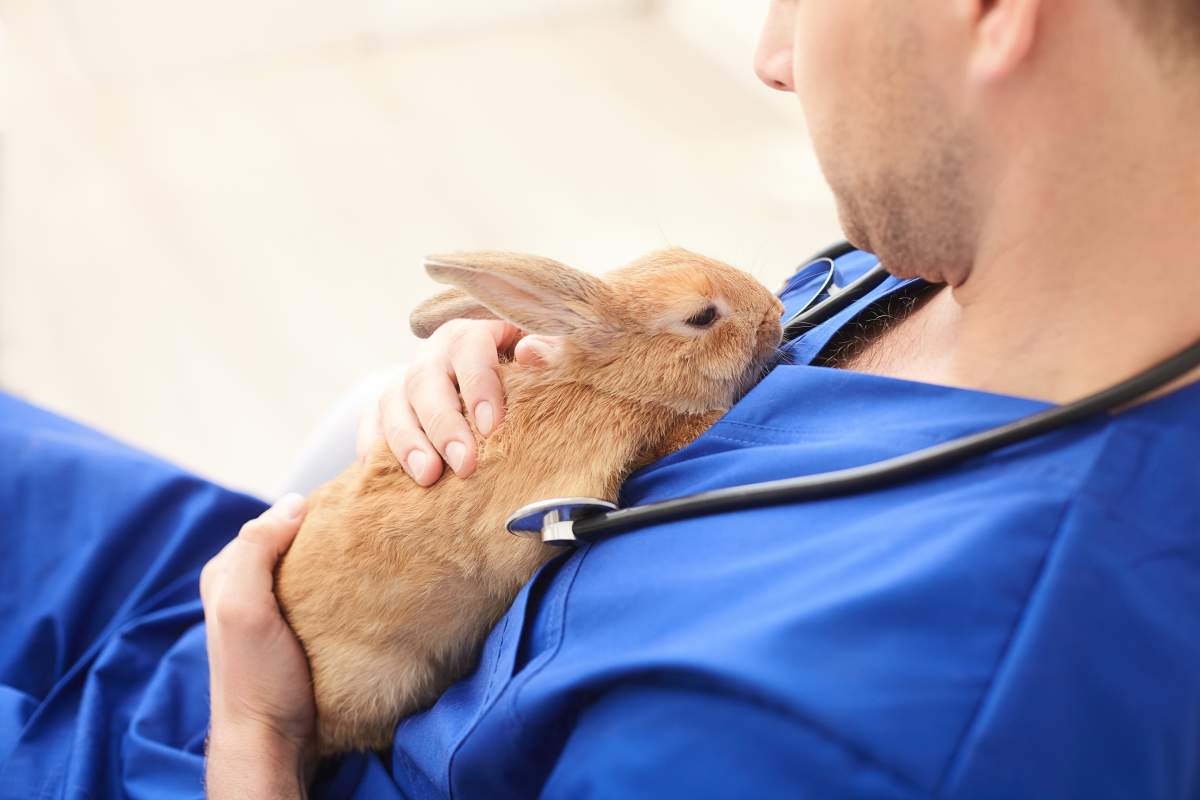
Local households often also keep bird feeders, wildlife attractants, or enter community events where pets may have the opportunity to ingest unsafe foods if not closely supervised.
What Symptoms Should Pet Owners Look For?
Food poisoning symptoms in cats and dogs can differ based on the food and amount consumed, but residents should act quickly if any of these signs appear:
- Sudden vomiting or diarrhea
- Lethargy, appearing unusually tired
- Incoordination or weakness
- Excessive drooling or pawing at the mouth
- Rapid breathing, irregular heartbeats, or collapse
Food reactions can progress rapidly. Pets showing these symptoms after potential exposure should be seen promptly by a veterinary professional. Residents should note what and how much was potentially eaten, as this helps in diagnosis and treatment.
Is Table Food Ever Safe for Pets?
Sharing table food with pets is generally discouraged, as many ingredients pose risks, and recipes often contain hidden spices or additives. Foods cooked for humans typically use salt, butter, seasonings, or sauces, any of which can cause mild to acute health problems for animals. Even well-intentioned practices, like giving dogs meat scraps or letting cats sip milk, may lead to digestive or more serious illness.
Instead, pets with specific dietary needs should be given treats and meals formulated for their species and health conditions.
Are There Less Obvious Hazards Beyond Food?
Visitors to the area or families with children may accidentally introduce foods, candies, or gum containing harmful ingredients like xylitol or chocolate. Medication left on counters, dietary supplements, and even compost bins can present risks. Curious cats and dogs may be exposed indoors, in garages, or outdoors if trash is not tightly sealed.
Special care should be taken during spring cleaning, community events, or moving, as routines may be disrupted and food could be left in unusual places.
What Should Residents Do if a Pet Eats Something Dangerous?
If a pet is suspected of eating a potentially toxic food, immediate action can prevent serious outcomes. Do not attempt home remedies or induce vomiting unless specifically told by a veterinary professional. Safely secure any remains of the suspected food for reference and seek professional advice as soon as possible. Timely intervention is especially important for certain toxins, such as xylitol and grapes.