
 See My Latest Article on HelloNation
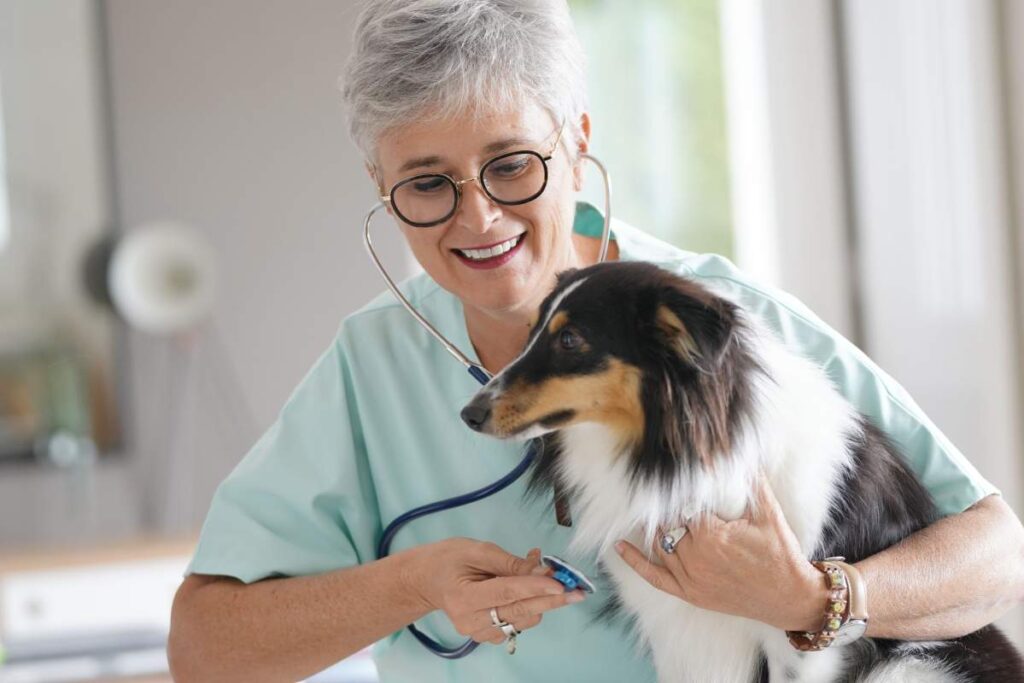
Heatstroke can become life-threatening quickly, especially during summer walks, outdoor activities, and time spent in parked vehicles. Dogs are affected most often, but cats and other companion animals can also overheat. Knowing the early warning signs and acting promptly can reduce the risk of organ damage or death.
What is heatstroke in pets?
Heatstroke occurs when a pet’s body temperature rises beyond its ability to cool itself. Dogs and cats do not cool themselves as efficiently as people do. Dogs rely mainly on panting and limited sweating through their paw pads, while cats may groom themselves and seek cooler areas.
Heatstroke is more serious than ordinary discomfort from warm weather. As body temperature rises, the condition can affect the brain, kidneys, liver, muscles, blood clotting, and digestive system. A pet may appear to recover after cooling but still develop complications later. ([avma.org](https://avma.org/resources/pet-owners/petcare/warm-weather-pet-safety?utm_source=openai))
In Post Falls, warm, dry summer days can make pavement, vehicles, decks, and enclosed outdoor spaces much hotter than the surrounding air. Sudden heat after a cooler period can also be risky because pets may not yet be accustomed to exercising in higher temperatures.
Which pets face the greatest risk?
Any pet can suffer heatstroke, but some are less able to tolerate heat or exercise safely.
Higher-risk pets include:
- Puppies and kittens, especially those that are very young
- Older animals
- Dogs and cats with heart, lung, or airway disease
- Overweight pets
- Pets with thick or heavy coats
- Short-nosed breeds with restricted airways
- Animals with a history of heat-related illness
- Pets exercising intensely or unfamiliar with warm weather
- Dogs wearing muzzles that interfere with panting
A pet does not need to be running to overheat. Resting in a poorly ventilated garage, sunroom, shed, crate, or vehicle can be dangerous. A cracked window or shade does not make a parked vehicle safe; interior temperatures can rise rapidly even when the outside weather feels moderate. ([avma.org](https://avma.org/resources/pet-owners/petcare/warm-weather-pet-safety?utm_source=openai))
What are the early signs of heatstroke?
Early signs often include heavy or unusually rapid panting, restlessness, excessive drooling, weakness, and seeking a cool surface. The gums may become dry, sticky, unusually dark red, pale, gray, or otherwise abnormal.
As heatstroke progresses, a pet may show:
- Stumbling, unsteadiness, or confusion
- Vomiting or diarrhea
- Extreme lethargy
- Muscle tremors or seizures
- Collapse or loss of consciousness
- Abnormal bleeding or bruising
Collapse is an emergency, but waiting for collapse is dangerous. A pet showing persistent heavy panting, weakness, confusion, or abnormal gum color should be treated as an emergency. ([avma.org](https://avma.org/resources/pet-owners/petcare/warm-weather-pet-safety?utm_source=openai))
Panting by itself is not always abnormal after exercise. The concern is panting that remains intense after the pet has stopped, occurs in a shaded or cool area, or is accompanied by weakness, distress, drooling, vomiting, or changes in behavior.
What should you do if a pet may have heatstroke?
Begin cooling immediately while arranging urgent veterinary care. Do not delay transportation to see whether the pet improves.
1. Move the animal out of direct sunlight into shade or a comfortably cool indoor space.
2. Wet the body with cool or room-temperature water, focusing on the neck, armpits, groin, paws, and underside.
3. Use a fan or vehicle air conditioning to improve evaporation and airflow.
4. Offer small amounts of water if the pet is alert and able to swallow, but do not force drinking.
5. Transport the pet to the closest veterinary hospital as soon as possible.
Avoid ice baths, very cold water, rubbing alcohol, or tightly wrapping the animal in wet towels. These approaches can interfere with circulation, cooling, or normal temperature regulation. Wet towels that are used should be changed frequently rather than left warm and heavy against the body. ([vcahospitals.com](https://vcahospitals.com/north-main-street/know-your-pet/heat-stroke-in-dogs?utm_source=openai))
A veterinary examination is still needed even if the pet seems better. Heatstroke can cause delayed kidney injury, clotting problems, intestinal damage, and other complications that are not obvious at first.
How can residents prevent heatstroke during walks and outdoor activities?
The safest exercise plan is to avoid the hottest part of the day. Early morning or later evening is generally safer than midday, but temperature, humidity, sun exposure, and the pet’s health all matter.
Before going out:
- Check the pavement with the back of a hand. If it is too hot to keep a hand on for several seconds, it is too hot for paw pads.
- Carry water and provide frequent opportunities to drink.
- Choose shaded routes and take breaks.
- Keep walks shorter for older, overweight, short-nosed, or medically fragile pets.
- Avoid strenuous running, repeated ball chasing, and intense play during heat.
- Watch for hot pavement, dark surfaces, artificial turf, and sun-heated metal.
- Do not rely on a doghouse as a cool shelter; enclosed structures may trap heat.
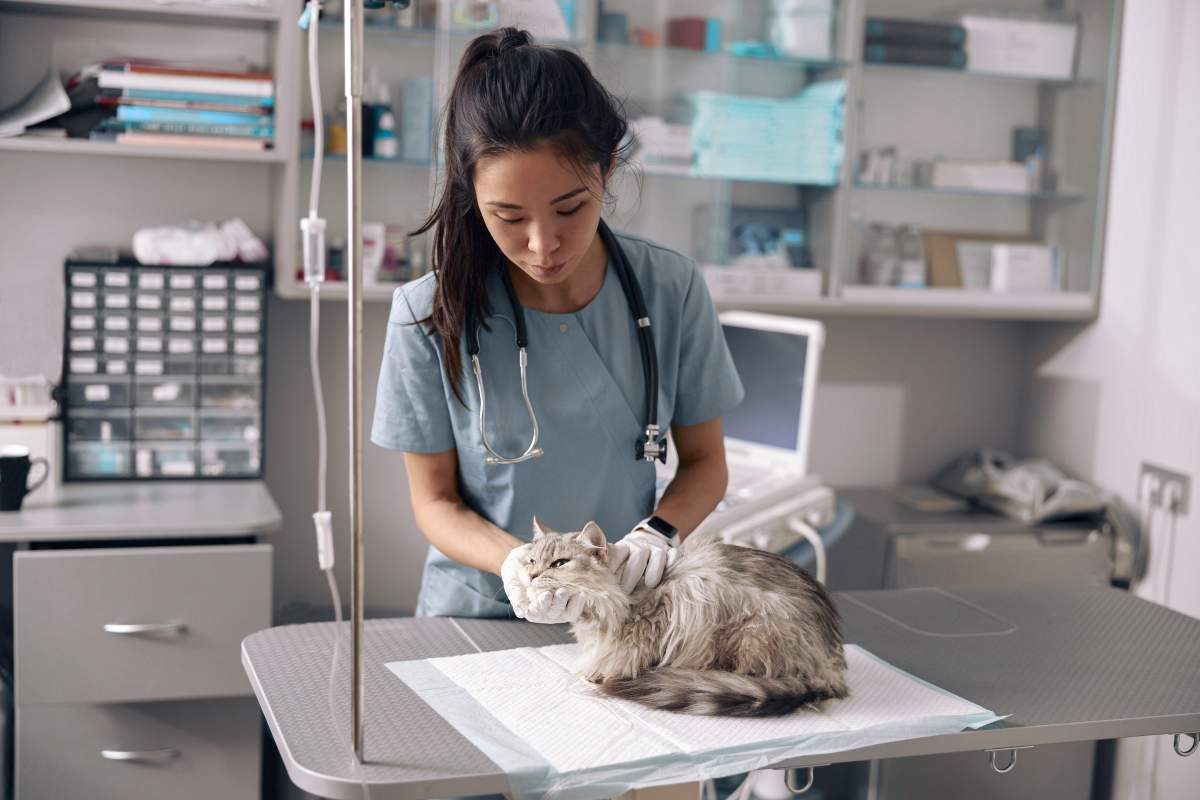
A pet’s enthusiasm is not a reliable indicator of safety. Some dogs continue playing despite overheating because they are excited or motivated to follow their owner.
How should pets be kept cool at home?
Pets should have access to fresh water, shade, and a well-ventilated indoor area. During heat events, indoor cooling is usually safer than leaving an animal outdoors, even if the yard has shade. Water bowls can be placed in more than one location in case one is spilled.
Helpful household precautions include:
- Close blinds or curtains on sunny windows.
- Use fans or air conditioning when safe and appropriate.
- Check indoor areas such as garages, laundry rooms, and enclosed porches.
- Avoid leaving pets in crates or small rooms without reliable airflow.
- Provide cool flooring or a dampened towel that the pet can choose to lie near or on.
- Monitor pets more frequently during power outages or unusually warm nights.
Cats may hide when they feel unwell, so check on them rather than assuming they will move to a cooler area. Outdoor cats also need access to shade and multiple water sources.
Are cars ever safe for pets in warm weather?
No. A parked vehicle can become dangerously hot within minutes, even with windows partly open or the vehicle parked in shade. A pet should not be left inside while running a quick errand, waiting for someone, or traveling between activities. ([avma.org](https://avma.org/resources/pet-owners/petcare/warm-weather-pet-safety?utm_source=openai))
Plan errands so the pet can remain safely at home, or use temperature-controlled transportation with a person able to monitor the animal continuously. If a pet is found in a hot vehicle and appears distressed, contact emergency services or animal-control authorities according to local law while seeking immediate veterinary assistance.
Can heatstroke be prevented after a pet has experienced it once?
Prevention requires extra caution after any heat-related illness. A previous episode may increase the risk of future problems, and the pet may have an underlying airway, heart, lung, weight, or medication-related issue that needs evaluation. Ask a veterinarian about safer exercise limits, weight management, coat care, and whether the pet’s health changes its tolerance for heat. ([vcahospitals.com](https://vcahospitals.com/north-main-street/know-your-pet/heat-stroke-in-dogs?utm_source=openai))
For households in the community, a simple plan helps: keep water available, avoid midday exertion, never leave a pet in a vehicle, recognize abnormal panting, and know how to begin cooling while traveling for emergency care.