

 See My Latest Article on HelloNation

Older dogs and cats often need more attentive care, but aging itself is not a disease. In Post Falls, ID, families can help senior pets remain comfortable by monitoring subtle health changes, adapting the home, maintaining gentle activity, and arranging regular veterinary evaluations.
When is a dog or cat considered a senior?
There is no single age that applies to every pet. A large dog may enter its senior years earlier than a small dog, while cats are often considered senior at about 10 years of age. A useful general guideline is that a dog may be senior during the final quarter of its expected lifespan.
Breed, genetics, weight, previous illnesses, and lifestyle all affect how aging appears. Gray hair or a slower pace may be normal, but new changes in thirst, appetite, sleep, movement, grooming, or behavior should not automatically be dismissed as “just old age.”
How often should senior pets see a veterinarian?
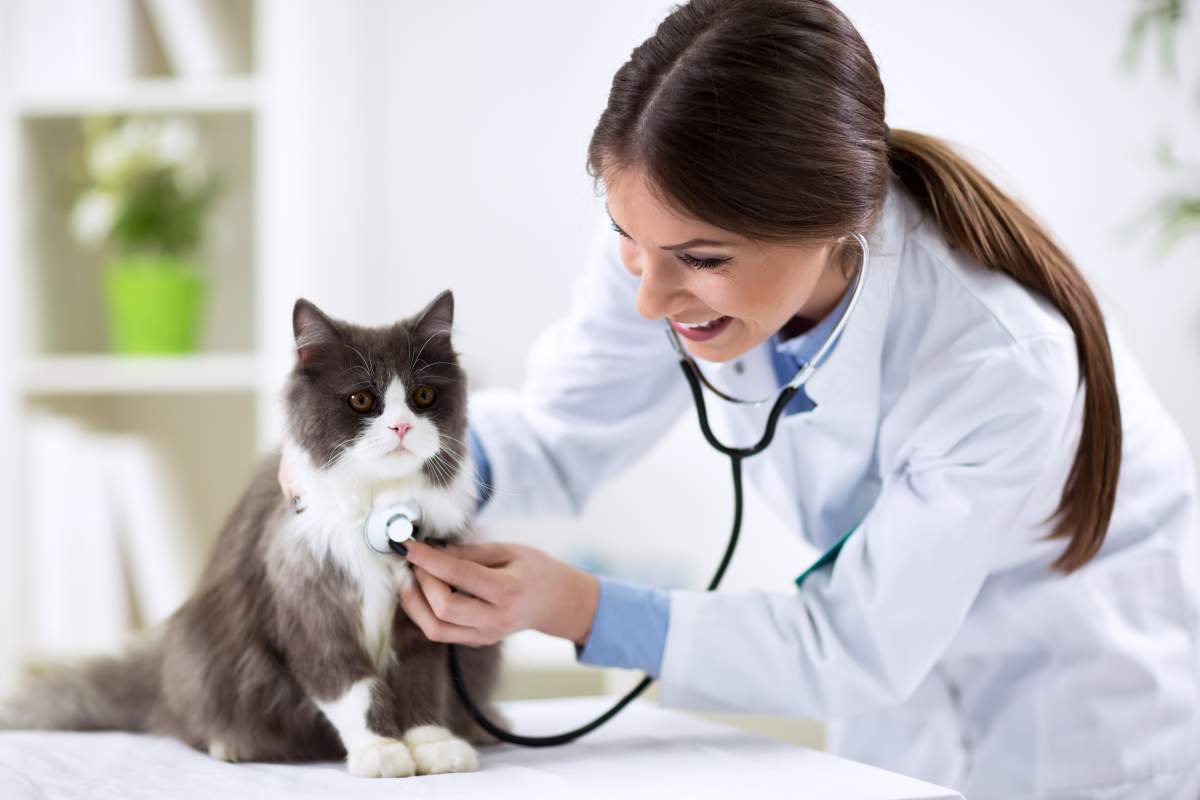
Many senior pets benefit from examinations about twice a year, although the appropriate schedule depends on the animal’s health. Older pets can develop several conditions at the same time, and early signs may be easy to miss at home.
A senior wellness visit may include:
- A detailed physical examination
- Weight, body condition, and muscle assessment
- Dental and oral evaluation
- Joint, spine, and mobility assessment
- Eye, ear, heart, and lung checks
- Blood testing and urinalysis when appropriate
- Review of medications, diet, activity, and behavior
- Discussion of vaccinations and parasite prevention
Laboratory testing can identify problems involving the kidneys, liver, thyroid, blood cells, blood sugar, or other body systems before severe symptoms appear. The exact tests and frequency should be based on the pet’s age, species, medical history, and examination findings.
Keep a short record of changes between visits. Notes about water consumption, urination, appetite, coughing, nighttime activity, accidents, or difficulty using stairs can help identify patterns. Short videos of walking, climbing, rising, or jumping may also show mobility changes that are not obvious during a brief examination.
What are common signs of pain in older pets?
Senior pets frequently hide pain. A dog may not cry or limp, and a cat may continue eating while quietly avoiding movement. Pain may instead appear as a change in routine.
Watch for:
- Reluctance to climb stairs, jump, or get into a vehicle
- Difficulty standing up or lying down
- Slower walking or shortened walks
- Restlessness, panting, hiding, or irritability
- Less interaction with family members
- Excessive licking of one area
- Reduced grooming, especially in cats
- Accidents outside the litter box or house
- Trouble finding a comfortable sleeping position
Arthritis is common, but dental disease, spinal problems, cancer, internal illness, and injuries can also cause discomfort. Never give a senior pet human pain medicine unless a veterinarian has specifically directed its use. Several common household medications can cause serious poisoning in dogs and cats.
Pain care may involve a combination of veterinary-prescribed medication, weight management, rehabilitation, carefully controlled exercise, and changes to the home environment.
How can a home be made safer for an aging pet?
Mobility and balance often change gradually. Hard floors, stairs, ice near outdoor areas, and clutter can increase the risk of falls. Simple adjustments may allow a pet to move more confidently.
Consider:
- Placing nonslip runners or mats over smooth floors
- Keeping food, water, and bedding on the same level
- Using ramps instead of steep steps when practical
- Providing a thick, supportive bed away from drafts
- Choosing a low-sided litter box for cats with stiff joints
- Adding night lighting for pets with reduced vision
- Blocking unsafe access to stairs, pools, or elevated surfaces
- Keeping pathways clear of cords, loose objects, and unstable furniture
- Using a well-fitted harness when a dog needs assistance rising
Cold weather can make stiff joints feel worse, and frozen or slippery surfaces may be especially hazardous. During winter, brief, frequent outdoor trips may be safer than long walks on icy ground. Wipe moisture and deicing residue from paws after outdoor activity, and avoid allowing pets to lick substances from their feet.
What should senior pets eat?
Nutrition should be based on body condition, muscle mass, activity level, and diagnosed health problems rather than age alone. Some older pets gain weight as activity decreases, while others lose muscle or develop conditions that require a therapeutic diet.
A veterinarian may recommend changes such as:
- Adjusting calorie intake to maintain a healthy body condition
- Providing adequate protein to help preserve muscle
- Changing meal size or frequency
- Increasing water intake for certain health conditions
- Using a diet formulated for kidney, urinary, thyroid, gastrointestinal, or other disease
Treats count as part of the daily diet. Small portions of appropriate foods are generally safer than frequent high-calorie snacks. Sudden diet changes can cause digestive upset, so transitions should usually be gradual unless urgent medical circumstances require otherwise.
Unexplained weight loss, increased thirst, repeated vomiting, persistent diarrhea, difficulty chewing, or a sudden loss of appetite warrants veterinary attention.
Do older pets still need exercise and mental stimulation?
Yes. Regular, moderate activity helps support muscle, balance, circulation, joint function, and emotional health. Exercise should be adjusted to the pet’s ability, not stopped completely because of age.
For dogs, several short walks may be easier than one long outing. For cats, gentle play with toys, food puzzles, or low-impact climbing opportunities can provide activity without demanding large jumps. Begin slowly if a pet has been inactive, and stop if there is worsening lameness, heavy breathing, weakness, or obvious distress.
Mental stimulation is also valuable. Predictable routines, scent games, quiet interaction, and simple training exercises can help older pets remain engaged. Pets with vision or hearing loss may become anxious if furniture, feeding areas, or sleeping locations change frequently.
Could behavior changes mean cognitive decline?
Behavioral changes may result from cognitive dysfunction, pain, reduced vision or hearing, anxiety, or an underlying illness. Signs can include wandering, staring at walls, becoming stuck in corners, nighttime vocalization, altered sleep, loss of house training, confusion, or changes in social behavior.
Do not assume these signs are irreversible. A veterinary evaluation can help distinguish cognitive decline from treatable causes such as arthritis, high blood pressure, dental pain, urinary disease, or sensory loss. Keeping a consistent routine, improving nighttime lighting, and avoiding unnecessary rearrangement of the home may reduce confusion.
How should families monitor quality of life?
Quality of life is easier to assess when observations are recorded over time. Track appetite, hydration, comfort, mobility, hygiene, interest in family activities, and the number of good days compared with difficult days.
A senior pet that occasionally slows down may still be comfortable and engaged. More concerning patterns include persistent pain, repeated breathing difficulty, inability to eat or drink, frequent falls, severe anxiety, uncontrolled vomiting, or an inability to rest comfortably. These situations require prompt veterinary guidance.
Planning ahead can make difficult decisions less rushed. Discussing pain control, home care, mobility support, and end-of-life options before a crisis gives families time to focus on the pet’s comfort and individual needs.