
 See My Latest Article on HelloNation
Why Do Pets Get Stressed Before Vet Visits?
Many pets show signs of anxiety or nervousness before heading to the veterinarian, often because the experience is unfamiliar, full of strange smells, or linked with previous uncomfortable procedures. Local residents sometimes notice these behaviors—such as hiding, trembling, or vocalizing—just from seeing the carrier or the car keys. This reaction is common in both dogs and cats and is not a reflection on your care but rather a typical, learned response.
In Post Falls, pets may also associate certain seasonal cues (like snow gear or rain jackets) with going out during colder or wetter months, making preparation even more important. Recognizing and understanding these common reactions allows owners to respond with empathy and effective strategies.
How Can You Get Your Pet Ready at Home?
Start by ensuring your pet is calm and familiar with the basics they will encounter. This includes regular handling, spending time in carriers, and practicing gentle restraint. Gradual desensitization is especially useful for pets that rarely leave the house except for medical care.
For local area households, some effective pre-visit routines include:
- Keeping the pet carrier visible and accessible rather than pulling it out only for trips
- Making car rides more frequent, not just for vet visits, to decrease the association with stress
- Handling your pet’s paws, ears, and mouth at home in a gentle, positive way to mimic a typical exam
- Giving treats and praise during and after practice sessions
Remember that sudden, rushed handling or last-minute scrambles can increase anxiety, so start preparation a few days ahead when possible.
What Should You Bring With You?
Bring only what is needed for your pet’s safety and comfort. For most animals, this includes:
- A secure, well-ventilated carrier or leash/harness, depending on the species
- A comfort item like a favorite toy or small blanket that smells like home
- A list of any symptoms, questions, or behavioral changes noticed at home
- Previous records or vaccination history if this information is not already on file
In wetter or colder months experienced in Post Falls, include a towel or waterproof mat to help keep your pet dry and warm inside the vehicle and clinic.
How Can You Help Keep Your Pet Calm Before and During the Visit?
Staying calm yourself is essential, as pets often pick up on their owners’ emotions. Use a cheerful, relaxed tone and avoid rushing. If your pet is food-motivated and permitted by the specific care instructions, bring small, easy-to-digest treats to reward calm behavior at each step.
Dogs may benefit from a short walk or some gentle play before leaving home, especially if they have excess energy. For cats, reducing noise and stimulation as you prepare them for travel is typically more effective.
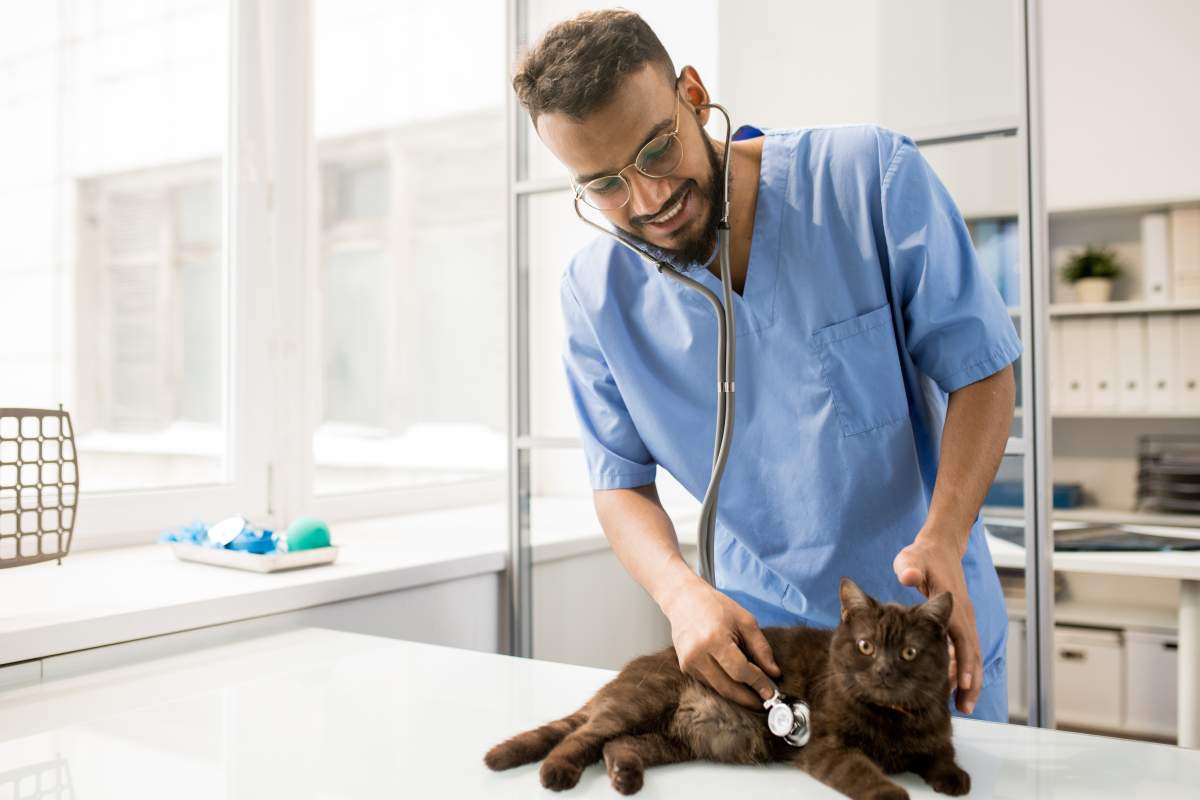
Once at the veterinary clinic, try to:
- Keep cats in their carrier until inside the exam room to minimize stress from other animals or unfamiliar scents
- For dogs, use a short leash and keep them close to you, avoiding interactions with unfamiliar pets whenever possible
Are There Common Mistakes Pet Owners Make When Preparing?
Owners sometimes unintentionally create more stress by waiting until the last moment to get ready, forcing pets into carriers, or showing their own anxiety. Another overlooked factor is skipping meals before a visit to prevent car sickness—unless specifically advised, this is usually unnecessary for healthy adult pets and can even make some animals more anxious.
Leaving pets unattended outside the clinic or bringing multiple animals together can complicate the visit, especially during crowded times or harsh local weather. Making each trip as low-stress and predictable as possible leads to better experiences in the long-term.
Why Does Local Weather Matter in Post Falls?
Seasonal climate in Post Falls can impact both travel and your pet’s experience. Snow, ice, heavy rain, or even rock salt on sidewalks can affect safety and comfort during transit. Transporting animals during extreme heat or cold requires extra care, such as pre-warming or cooling the car, providing appropriate bedding, and minimizing time outdoors.
Local residents also report different levels of mud and grit in spring and fall—bring an extra towel to lightly clean paws before entering both your vehicle and the veterinary office, reducing mess and keeping your pet more comfortable.
How Should You Support Your Pet After the Visit?
Most pets need a little extra patience and care after seeing the veterinarian, especially if any procedures were performed. Some might want space to recover quietly, while others may seek reassurance through gentle attention or familiar routines.
Encourage rest and normal eating unless otherwise instructed. Watch for any changes in behavior, mobility, or appetite over the next 24 hours, and keep notes on anything unusual to report if follow-up is needed. Many Post Falls pet owners find that offering a favorite activity or treat at home restores a sense of normalcy and helps their animals bounce back more quickly.