

 See My Latest Article on HelloNation

What Are the Most Common Allergies in Pets?
Pets in Post Falls may experience allergies due to environmental, food, and contact factors. The most frequently seen allergies in local dogs and cats include reactions to pollen, dust mites, mold, certain foods, and flea bites. Each of these can trigger a range of symptoms from itching to digestive upset.
Common examples:
- Seasonal allergies caused by grasses, trees, and weeds (especially during spring and late summer).
- Year-round indoor allergens like dust mites and mold, common in homes with thick carpeting or where humidity is high.
- Food sensitivities, which might emerge at any age and often involve protein sources like beef, chicken, or dairy.
- Reactions to flea saliva, even after a single bite, leading to intense itching—especially in areas with wild animal activity nearby.
How Do Allergies Show Up in Local Pets?
Most allergies in pets appear as skin problems or digestive issues. Early signs often include:
- Persistent scratching, licking, or chewing, especially paws, belly, or ears.
- Recurrent ear infections or head shaking.
- Red, bumpy, or flaky skin, sometimes with hair loss.
- Gastrointestinal signs, like vomiting or soft stools, more likely with food allergies.
Because Post Falls has four distinct seasons and indoor-outdoor lifestyles are common, symptoms may flare up suddenly after hiking, time in yards, or changes in routine. Dogs and cats both can develop secondary infections from scratching or open sores, so early recognition is important.
What Triggers Pet Allergies Most Often in Post Falls?
Changes in weather, shifting pollen levels, and increased indoor time during colder months can all play a role. Key triggers for local area households include:
- Grasses and tree pollen, especially from late April through September.
- Leaf mold and decaying plant material, which build up in damp yards after rain or snowmelt.
- Fleas, which are especially active in spring and fall or in neighborhoods with abundant squirrels and other wildlife.
- House dust, common in homes with forced-air heating and limited air filtration.
It’s a misconception that indoor-only pets can’t develop allergies; dust, mold, and even ingredients in bedding or cleaning products can cause reactions regardless of outdoor exposure.
What Steps Make Allergy Management Practical for the Community?
The most effective management combines minimizing exposure and supporting pet comfort. Residents of Post Falls can use these strategies to help pets thrive:
- Regular bathing with gentle, unscented shampoos during peak allergy seasons to remove pollen and dust.
- Frequent vacuuming and washing of pet bedding, especially in carpeted homes.
- Keeping windows closed during high pollen periods and using air purifiers if possible.
- Practicing year-round flea prevention, since flea saliva is a potent allergen even with short exposure.
For food allergies, an elimination diet—feeding a simple diet with limited ingredients, then gradually reintroducing foods—can help identify triggers. Over-the-counter supplements like omega-3 fatty acids sometimes support skin health, but always check suitability for each pet.
When Are Veterinarian Visits Needed?
Not all allergies require urgent care, but certain signs call for a prompt check:
- Severe itching that interferes with daily life or leads to wounds.
- Chronic ear infections or any signs of pain.
- Noticeable weight loss or persistent vomiting/diarrhea.
- Rapidly spreading rashes or facial swelling, which can signal a more serious reaction.
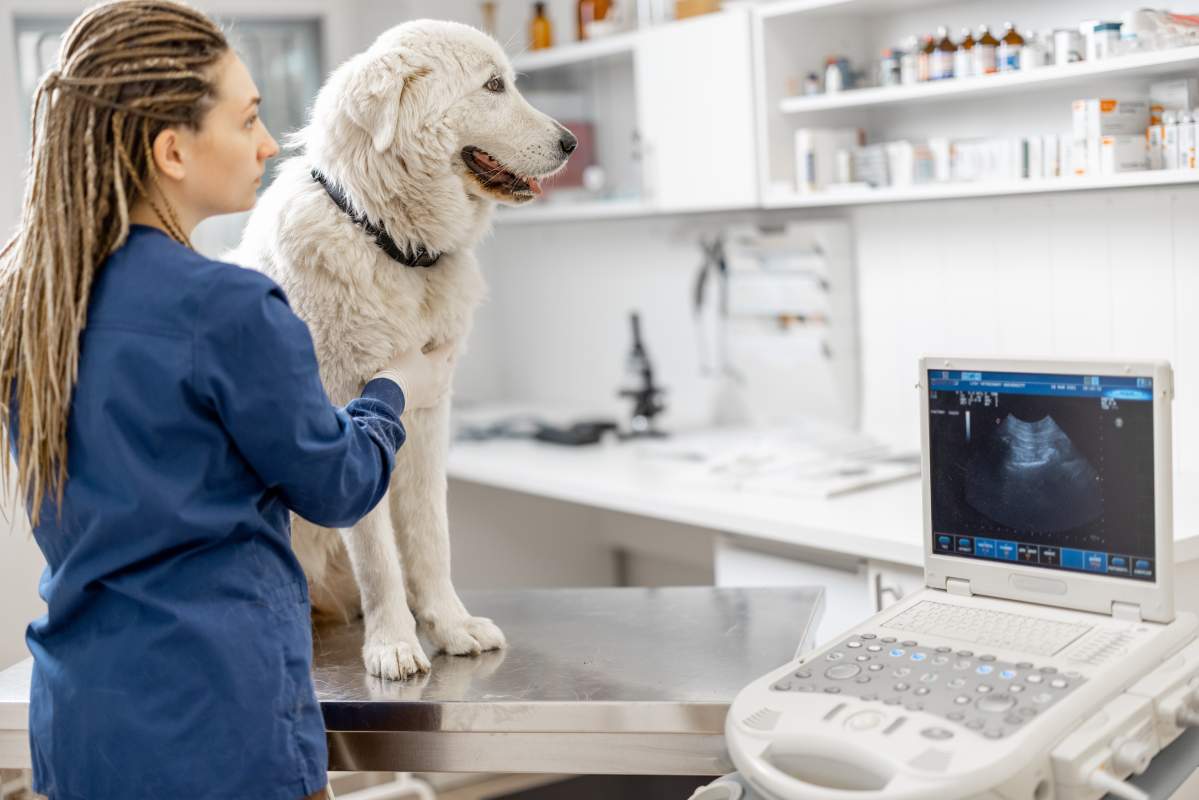
A veterinarian can help identify the type of allergy, recommend safe treatments, and rule out infections or other medical conditions that mimic allergies.
Are There Prevention Myths or Overlooked Issues in the Area?
It’s common to believe hypoallergenic pet breeds never suffer from allergies—while they may shed less, these pets can still react to environmental and food allergens. Similarly, homemade remedies like herbal sprays or essential oils are sometimes suggested online, but these can irritate sensitive skin or interact badly with other treatments.
Locally, damp crawlspaces and basements can harbor molds that go unnoticed. Regular checks of these spaces, and addressing leaks or ventilation issues, can help limit indoor allergen levels.
How Does the Local Environment Affect Allergies Through the Seasons?
Post Falls' cold winters, short muddy springs, and relatively dry summers influence allergen loads. For example:
- Melting snow in early spring often means a spike in mold spores as plant material decays.
- Warm, windy summer days can increase pollen movement and make symptoms worse for pets with respiratory sensitivities.
- Homes tightly sealed in winter to conserve heat may trap dust and dander, increasing symptoms indoors.
Monitoring local pollen forecasts and adapting routines—such as walking pets during mid-day instead of early morning—can help reduce exposure on high-allergen days.
What At-Home Steps Improve Pet Comfort Day to Day?
Small adjustments can make a big difference for pets with allergies:
- Wipe down paws and coats after outdoor time to remove pollen or irritants.
- Rotate between different walking routes to avoid areas with high grass or recent landscaping.
- Feed treats and chews with simple ingredient lists to help track possible food triggers.
- Observe for trends: If symptoms spike after certain household chores, consider changing cleaning products or routines.
Supporting a healthy routine and noting any changes in symptoms helps catch problems early and ensures pets lead comfortable, active lives whatever the season.