
 See My Latest Article on HelloNation
How Much Exercise Does a Dog Need Each Day?
Most adult dogs in Post Falls benefit from 30 minutes to two hours of exercise per day, but the exact amount varies widely based on breed, age, health, and lifestyle. A high-energy breed might need much more than a senior or a small companion breed. The right exercise routine helps prevent weight gain, boredom-related behaviors, and some chronic health conditions common in Idaho’s seasons.
Does Breed Really Make a Difference?
Yes, breed is one of the most significant factors in a dog's exercise needs. Working breeds and herding dogs, such as Border Collies or Labrador Retrievers, often require at least 90 minutes or more of activity daily. Toy breeds or companion dogs might get what they need from short walks and play sessions.
- Typical high-energy breeds likely need the upper end of exercise time, sometimes broken into two sessions.
- Dogs bred for companionship or those with low activity instincts often prefer relaxed outings and shorter play.
How Does the Local Climate in Post Falls Affect Exercise?
The seasons shape how much — and how — dogs move every day. Winters in the area can be cold and snowy, limiting options for extensive outdoor play. During icy or slushy stretches, focus on shorter but more frequent walks, indoor ball games, or hide-and-seek.
- When temperatures drop well below freezing, closely monitor your dog's comfort, and use safe sidewalks or clear yards for brief outings.
- In summer, exercise in the early morning or late evening to avoid mid-day heat stress.
- Dehydration, frostbite, and paw pad injuries from de-icing salts or rough terrain are genuine risks — check paws after walks.
What Are Signs Your Dog Is Getting Enough — or Too Much — Activity?
Dogs who get enough exercise usually have:
- A steady appetite and consistent healthy weight
- Even, calm energy levels at home
- No destructive or attention-seeking behaviors, such as excessive chewing or barking
If your dog seems hyperactive, frustrated, overweight, or has trouble settling down, more movement may help. On the other hand, limping, refusing to walk, or lingering fatigue could mean you need to reduce intensity.
How Should Puppies, Seniors, and Special-Needs Dogs Exercise?
Physical needs change with age and health status, requiring daily adjustments.
- Puppies burn lots of energy in bursts, but short sessions — 5 minutes per month of age, up to twice a day — help avoid overuse injuries.
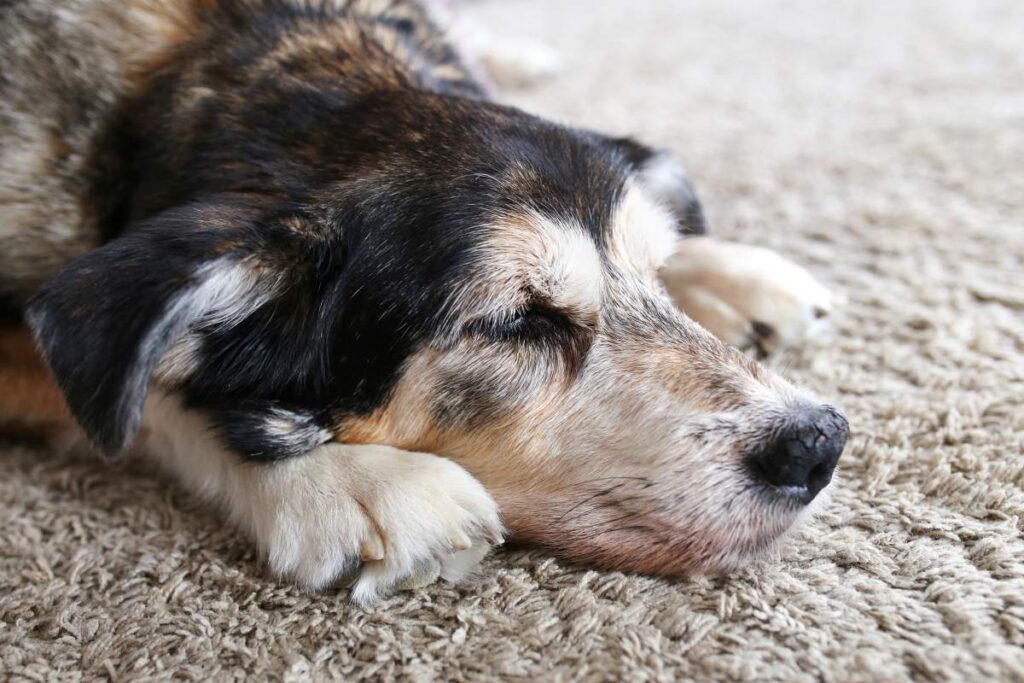
- Seniors often benefit from gentle, shortened walks and range-of-motion activities. Many thrive on sniff walks, slow strolls, or brief fetch games to keep joints limber.
- Dogs with chronic diseases (like arthritis or heart problems) need routines adapted by your veterinarian, emphasizing safety and comfort.
Are Local Parks and Trails Good Options for Dog Exercise?
Parks and accessible trails provide opportunities for both mental and physical activity, and Post Falls residents have options tailored to different dog personalities. Always confirm leash requirements and seasonal rules. Off-leash parks can be helpful for recall training and socialization, but only for dogs comfortable with other animals.
- Natural areas may have wildlife distractions, so recall skills are essential.
- Bring water, waste bags, and check your dog for ticks after walks in grassy or wooded locations.
Indoor Exercise Ideas When Outdoor Activity Is Challenging
Cold snaps or poor air quality from fires sometimes make outdoor activity tough. Local households can rely on simple indoor activities to keep dogs moving:
- Tug games, hallway fetch, and puzzle feeders engage muscles and brains.
- Low-impact stair climbing for healthy adults can offer a solid aerobic burst.
- Scent games, like hiding treats around the house, use mental energy and slow down meal times.
Common Myths About Dog Exercise in the Community
It’s easy to overestimate or underestimate how much your dog really needs to stay happy and well. Two persistent misconceptions:
- "A fenced yard is enough." While helpful for potty breaks or quick play, most dogs won’t run laps on their own without a reason. Most benefit from purposeful walks or games with people.
- "Older dogs don’t need exercise." Maintaining gentle movement is vital for joint health and mental stimulation, even as activity duration drops with age.
How Do You Know When to Adjust Your Dog’s Routine?
Monitor your pet’s response:
- Increase intensity or duration if your dog is persistently restless, chewing, or vocalizing.
- Cut back if signs of stiffness, soreness, or reluctance appear.
- Sudden changes in ability or behavior always deserve a check by your veterinarian.
Area residents sometimes find that adding variety — short leash walks on different routes, occasional visits to new parks, and short indoor play bursts — keeps dogs both fit and mentally sharp. Dogs who move regularly tend to adapt better to seasonal changes in local activities and are less likely to develop behavior issues in a home environment.